Jello Typeface: Elevating Editorial Design with Modern Script Typography
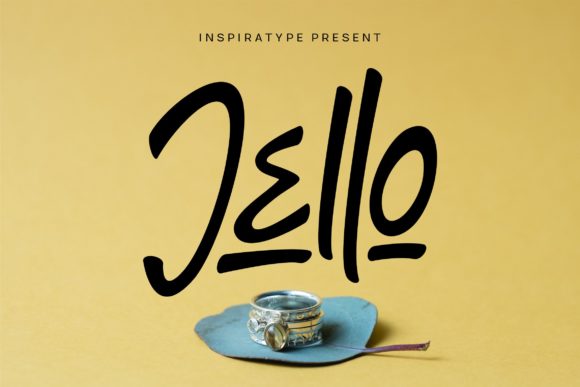
When you are curating Fonts for a high-end publication, the difference between a generic layout and a compelling editorial experience often comes down to the personality of your display typography. Jello is an exquisite handwritten font, masterfully designed to become a true favorite among designers who value both elegance and readability. It maintains its classy calligraphic influences while feeling contemporary and fresh, making it an ideal choice for brands that want to establish a sophisticated yet approachable visual identity. For publishers, bloggers, and digital creators, integrating this script font into your workflow can significantly enhance reader engagement and brand recognition.
Jello for Magazine Covers and Digital Headlines
In the competitive world of digital publishing, capturing attention within seconds is paramount, and using Jello for magazine covers and digital headlines allows you to do just that without sacrificing legibility. As a Script Handwritten typeface, Jello offers a unique visual rhythm that draws the eye immediately to the main story or featured article. Unlike overly decorative scripts that can be difficult to read at large sizes, Jello’s modern structure ensures that your headline remains clear on mobile devices and social media thumbnails alike. When designing a cover for a lifestyle magazine or a premium newsletter, applying Jello in bold weights creates a strong focal point that anchors the entire composition. This makes it particularly effective for weekly roundups, feature stories, or special edition publications where a touch of luxury is required to justify a subscription or click-through rate.
Jello for Ebook Titles and Chapter Openers
For authors and course creators developing ebooks or digital guides, establishing a consistent tone from the very first page is essential, and incorporating Jello into your title pages sets a professional standard. The font’s ability to balance classical calligraphy with modern simplicity means it works beautifully as a primary title font for non-fiction books, creative writing collections, or educational workbooks. When used for chapter openers, Jello adds a layer of visual interest that breaks up dense text and gives readers a momentary pause before diving into new content. Because it is a premium font with careful attention to spacing and stroke width, it renders cleanly in PDF exports and e-reader formats, ensuring that your interior design looks as polished on a Kindle or tablet as it does in print. This consistency helps build trust with your audience, signaling that the content within is well-produced and valuable.
Jello for Newsletter Branding and Social Media Graphics
Content creators rely heavily on social media graphics and email newsletters to drive traffic back to their blogs or stores, and using Jello for these assets can create a cohesive brand identity across all platforms. Whether you are designing a lead magnet, a printable planner, or a promotional graphic for a coaching program, Jello provides the perfect blend of artistic flair and commercial viability. Its contemporary feel ensures that your designs do not look dated, which is crucial for maintaining relevance in fast-moving niches like fashion, beauty, or tech. When paired with clean sans serif fonts for body copy or captions, Jello serves as an excellent accent typography tool. You might use it for pull quotes, key takeaways, or call-to-action buttons to guide the reader’s eye through the message. This strategic use of hierarchy not only improves aesthetics but also enhances usability by highlighting the most important information.
Jello for Wedding Invitations and Elegant Event Branding
The versatility of Jello extends beyond digital media into tangible products, making it a top choice for wedding invitations, event signage, and elegant branding materials. The font’s classy calligraphic influences evoke a sense of tradition and romance, while its fresh, modern execution prevents it from feeling stuffy or outdated. For independent stationery designers or event planners, offering clients a custom touch with Jello can elevate the perceived value of their services. It works exceptionally well for names, dates, and venue details where a personal, handwritten feel is desired. Additionally, because it is available as a versatile typeface, it can be scaled and adjusted to fit various design constraints, from small place cards to large banner displays. This adaptability makes it a practical investment for creatives who need one reliable script font to handle multiple project types.
Font Pairing Strategies for Editorial Layouts
To maximize the impact of Jello in your editorial designs, thoughtful font pairing is essential to maintain readability and visual balance. Since Jello is a display-oriented handwritten font, it should generally be reserved for short text elements such as headings, subheadings, and quotes rather than long paragraphs of body copy. A classic and effective strategy is to pair Jello with a highly readable serif font for your main text; the contrast between the organic curves of the script and the structured lines of a serif creates a harmonious and sophisticated look. Alternatively, for more minimalist or modern layouts, pairing Jello with a clean sans serif font can highlight its artistic qualities while keeping the overall aesthetic crisp and uncluttered. When selecting partners, consider weight and x-height compatibility to ensure that the different typefaces sit well together visually. Testing these combinations in your actual layout environment will help you determine which pair best supports your content’s mood and purpose.
Technical Considerations and Commercial Licensing
Before integrating Jello into your commercial projects, it is important to review the specific technical features and licensing terms associated with the font. High-quality Fonts typically come with a range of styles, alternates, and ligatures that allow for greater customization and a more natural handwritten appearance. Check if the package includes multilingual support if you plan to publish content in multiple languages, as this expands the font’s utility for global audiences. Furthermore, understanding the commercial license is critical for bloggers, publishers, and designers selling digital products. Ensure that your license covers the intended uses, such as embedding in ebooks, creating templates for sale, or using in client publications. Proper licensing protects your business from legal issues and supports the designer who created this exquisite tool. By choosing Jello, you are investing in a typeface that not only enhances the visual appeal of your work but also contributes to a professional and trustworthy brand image.